Digital Tile Layout Verification: A Better Project Story for Remodeling Leads
How remodelers can turn a measured tile-layout review into clearer proposals, stronger homeowner confidence and better-qualified renovation leads.
Homeowners notice the tile before they notice the process
A tile layout is a powerful example of how a contractor can make quality visible. Homeowners may not know the language of substrate flatness, movement joints or balanced cuts, but they understand the difference between a considered finished room and a surprise at the doorway. Digital tile layout verification gives remodelers a simple way to show the planning behind the work. It is not a marketing prop. It is a real pre-installation review that can be explained in a proposal, photographed on site and handed off as part of the project record. Contractors who communicate that process clearly can attract prospects who value coordination rather than the lowest price alone.
Sell the planning conversation, not a generic upgrade
Lead with a homeowner problem. Large-format tile, patterned floors and shower feature walls create decisions that cannot be corrected cheaply after installation. Explain that your team reviews the room dimensions, focal points, transitions and selected material before full installation begins. This turns an abstract promise of craftsmanship into a sequence a prospect can understand. Avoid claiming that a digital layout eliminates every field adjustment. Old homes move, products vary and installers still need judgment. The credible message is that the contractor brings important decisions into the open early, when the client can see the options and the team can coordinate them.
Build it into the proposal
A strong proposal can name the deliverable in plain terms: measured layout review, key elevation confirmation, documented transition plan and pre-installation checkpoint. Define what is included and which selections must be made before the review. This reduces ambiguity around tile size, border details, niches, trim and floor direction. It also creates a natural reason to discuss allowance timing and decision deadlines. When a prospect compares contractors, a specific process often carries more weight than a long list of materials. It signals that the company has considered how the finish will actually come together, not only how to price the square footage.
Create proof without exposing private projects
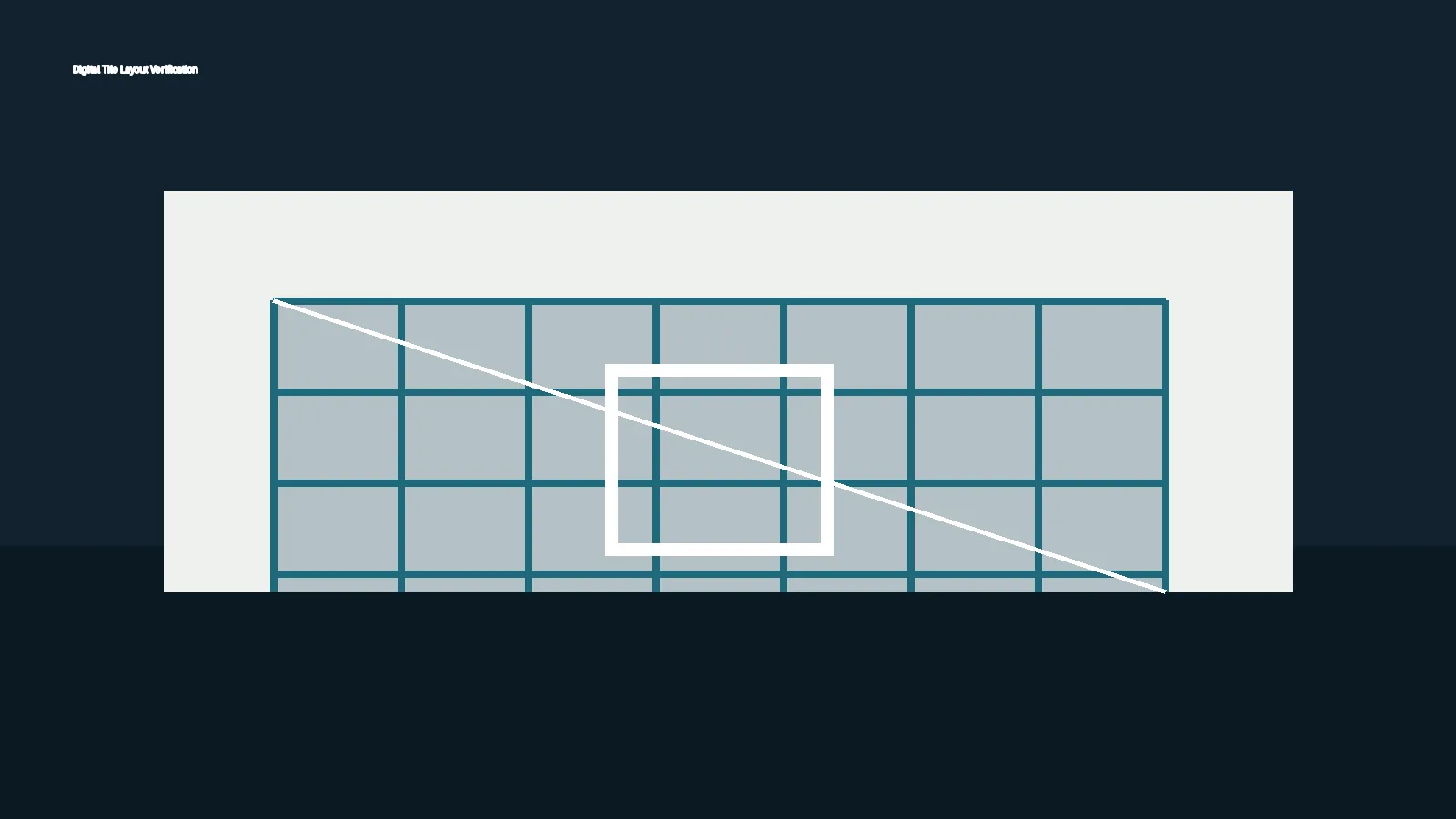
With client permission, a contractor can photograph a dry layout, marked centerline or approved elevation without posting an address, family details or sensitive project information. A short caption can explain the decision: the team aligned a shower feature wall with the vanity or planned a clean transition at an existing hardwood floor. Use only real work and remove private details. This kind of proof is more convincing than decorative technical language because it lets a prospect see the care behind the result. It also makes useful material for a project update, service page or follow-up email after an estimate.
Coordinate the details that affect margin
The layout review is good sales material because it is also good operations. It helps identify material quantities, edge profiles, niche dimensions, floor-height transitions, heated-floor coordination and sequencing with cabinets or glass. These are areas where vague assumptions can create rework or uncomfortable change-order conversations. A documented checkpoint gives the project manager and installer a shared reference. It does not replace trade expertise or product instructions. It improves the handoff between the estimate, the field and the client. That connection protects margin while also making the customer experience calmer.
Use the checkpoint to improve communication
Before installation accelerates, invite the homeowner into a focused review. Show the key sightlines and explain any necessary adjustment in direct language. Ask for confirmation on the decisions that are truly visual, then document the result. Do not turn the visit into an open-ended redesign meeting. The contractor should arrive with a recommendation and a clear reason for it. Afterward, send a brief summary with approved images or a marked plan. This simple follow-up makes the process feel organized and gives the homeowner something useful to keep.
Turn closeout into referral material
At project completion, include the final tile product information, selected layout record and care guidance in the closeout package. A homeowner who can find that information later is more likely to remember the project as well managed. It also creates a natural referral story: the contractor did not simply install tile, the team made the finish choices understandable and documented. Duz Homes helps contractors translate real operational habits into website content and lead-generation systems. The most effective construction-tech story is one your field team can honestly deliver on every appropriate project.
Keep the message connected to real field practice
Before making this a sales message, confirm that your team can describe the process consistently. Decide who gathers the field information, who reviews the recommendation, what the client receives and how the decision is recorded. Train estimators to describe the benefit in plain language and give project managers a repeatable checklist. If the process is not appropriate for every project, say so. Credible marketing creates stronger leads because it reflects operational discipline. Review the workflow after several projects and revise the sales materials only when the field team has adopted the change. A clear promise that the team can deliver is more valuable than a broad technology claim that disappears once the contract is signed, and it gives prospects a dependable reason to begin a more informed conversation.
Support the conversation after the first inquiry
Good lead generation does not end when a prospect submits a form. Use the documented process to guide the follow-up. Send a short explanation of the review, ask for the project conditions that affect the scope and state what the client can expect before work begins. This makes the sales conversation more useful for both sides and establishes expectations early for every appropriate scope. It also gives the team a reason to discuss timing, selections and access before presenting a final recommendation. When follow-up reflects a real operating system, the contractor earns trust without relying on pressure, vague promises or discount language.
Measure what the prospect needs to understand
A useful sales asset should answer a real homeowner question without overwhelming the homeowner or burying the key construction decision in jargon. Keep images, plans and follow-up notes focused on the decision at hand. Explain what is included, what is still subject to site conditions and when the client will have an opportunity to review the work. This clarity helps the sales team avoid overpromising and helps production begin with fewer assumptions. It also turns website traffic into a more productive and effective inquiry because visitors can see the kind of organized conversation your company is prepared to have.
Make the next inquiry more qualified
If tile work is part of your remodeling offer, use a documented layout review as a reason for a better initial conversation. Ask prospects about the room, material, existing conditions and priorities. Then explain how your process turns those answers into a confirmed installation plan. This attracts homeowners who want clarity and gives your sales team a more useful starting point. Contact Duz Homes for help building service pages and content that make your real construction process easier to understand and easier to choose.