Digital Foundation Drainage Records: A Better Process Story for Contractor Leads
How contractors can turn a disciplined foundation-drainage record into clearer scopes, credible project proof and stronger residential leads.
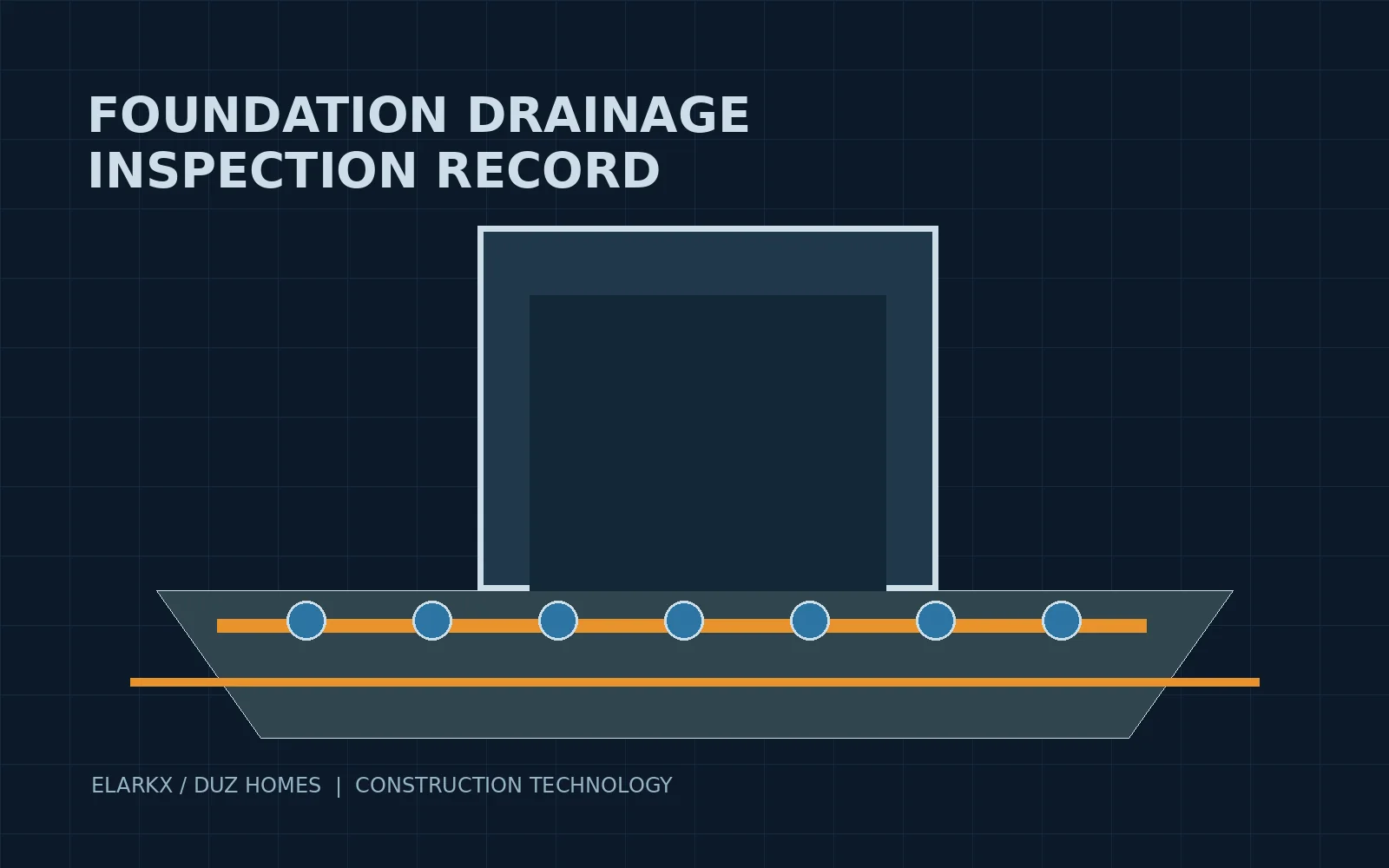
Make hidden site work visible to prospects
Foundation drainage records give contractors a credible content subject because they show planning where homeowners usually see only a finished yard. A clear record of pre-backfill coordination communicates care without making exaggerated performance claims. It lets a contractor explain that water management is a system of site, foundation and roof decisions, not a single pipe buried next to concrete.
Use the topic to improve discovery calls
A drainage conversation begins with good questions. Ask whether the project is a new home, addition or foundation repair. Ask about site slope, water history, roof drainage, landscaping plans and construction timing. These questions demonstrate that the company is looking beyond the visible finish. They also reveal when the scope needs design, engineering or specialist input before a fixed recommendation is made.
Explain the process, not a generic solution
The best proposal describes a sequence: review applicable plans, coordinate excavation and foundation work, confirm drainage and discharge details, document selected stages, then provide a closeout record. Avoid selling a universal drainage package. Properties differ, and local requirements differ. Homeowners respond well when a contractor explains what will be evaluated and why the final approach must fit the actual site.
Build a usable proof library
With permission, collect a small library of clean, well-labeled images from real projects. Show the stage of work, not just a close-up of gravel. A caption can explain that the photo records a pre-backfill checkpoint or coordination with the approved plan. This kind of visual proof is useful on service pages, estimates and follow-up emails because it makes invisible craftsmanship easier to understand.
Set expectations before construction starts
Lead quality improves when the website says that foundation and drainage decisions are reviewed before backfill and coordinated with the project team. That filters for homeowners who value process. It also gives the sales team a natural explanation for why early planning matters and why an estimate may include site-review time that a price-only competitor has not addressed.
Keep claims accurate
Photos and digital records are not engineering certification, code approval or a guarantee that no water issue can occur. Contractors should say so plainly. The work must follow applicable requirements, approved plans and the direction of qualified professionals. Honest language creates more trust than promising a permanent cure before the team has evaluated the site.
Turn closeout into a referral moment
At handoff, provide selected images, relevant documents and a brief explanation of the drainage plan. A homeowner who understands what was done is better able to value it and describe the experience in a review. This is especially helpful for high-consideration projects where customers are choosing a contractor based on communication as much as the visible result.
Connect content to the sales system
A foundation-drainage article should link to related services, contact forms and other project-planning material. Use the same wording in proposal templates and follow-up sequences. When a prospect reads the process online and hears the same approach on a call, the marketing feels credible because it reflects actual operations.
Give field teams a role
The person taking photos or completing a checklist needs a simple standard: capture the planned areas, label the location, and upload the record before backfill. The project manager can review it as part of normal coordination. This protects the company from relying on memory and gives marketing a source of authentic project proof without interrupting productive field work.
A stronger lead conversation
Duz Homes helps contractors turn real construction processes into honest local content that supports better leads. Digital drainage records are valuable because they demonstrate foresight, coordination and a clear handoff. Those are practical reasons for a homeowner to choose a contractor who plans beyond the visible finish.
Make the promise operational
Content only earns trust when the field process can support it. Before publishing a quality story, confirm who asks the discovery questions, who records the work, where the record is stored and how the customer receives it. Then give the sales team a short, accurate explanation they can use in an estimate or consultation. This avoids a common marketing problem: a website describes a premium process that the project team cannot consistently deliver. A simple documented standard is better than an elaborate claim. It makes follow-up easier, gives project managers clear checkpoints and provides customers with a detail they can recognize as thoughtful service. It also creates a useful post-project follow-up opportunity. Ask the customer whether the handoff was clear, invite questions while the information is fresh, and make it easy to request future service. This is respectful customer care, and it gives a well-run contractor more opportunities for a detailed, honest review. Over time, that consistency produces more useful reviews, more specific referrals and inquiries from homeowners who are looking for a contractor with a clear way of working.
Measure this process with practical signals rather than invented performance claims. Track whether documentation was completed before the relevant work was concealed, whether the customer received the record, and whether the sales explanation matched the final scope. Review a few completed projects each month with the team. The goal is to strengthen the process, not create extra paperwork. A contractor that can show steady, understandable coordination is easier for a homeowner to trust. That trust improves conversations before the contract and makes the completed project easier to recommend afterward. It also gives the business a responsible way to improve its message. After each project, compare the documented process with the questions prospects asked during the sales cycle. Use that feedback to clarify the next proposal, improve the next article and prepare the team for common concerns. The point is not to turn every job into a marketing campaign. It is to let genuine, repeatable work inform how the company describes its value. When the explanation is accurate, prospects arrive with a better understanding of the planning involved and the team can spend more time solving the right project questions.
Plan the right next step
Get your contractor growth plan
Related guidance: our services and contractor growth guides.